

ACHILLES INJURIES
Tendon changes that influence strength, flexibility, and push-off power
TENDON STRUCTURE & FUNCTION
THE ROLE OF THE ACHILLES
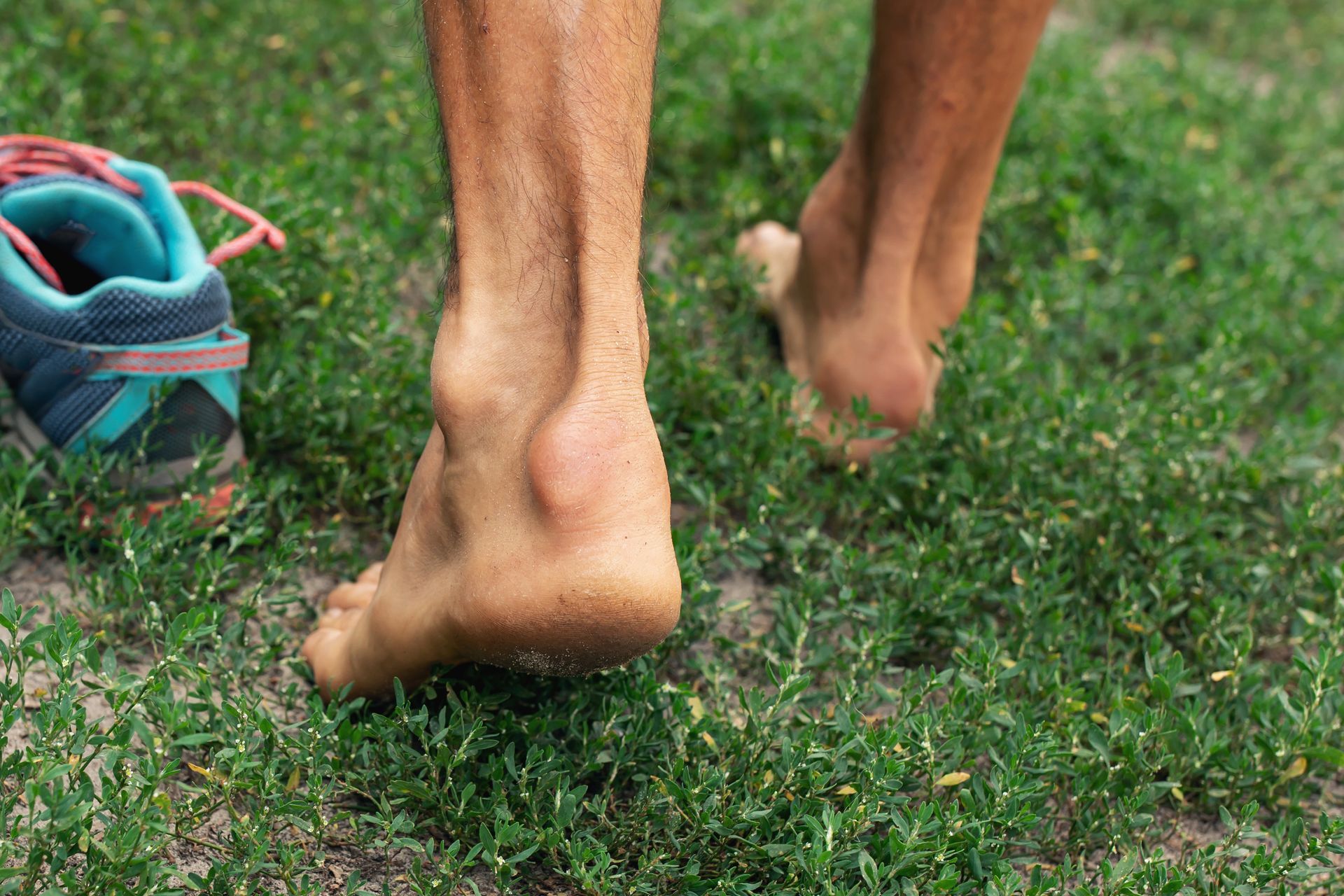
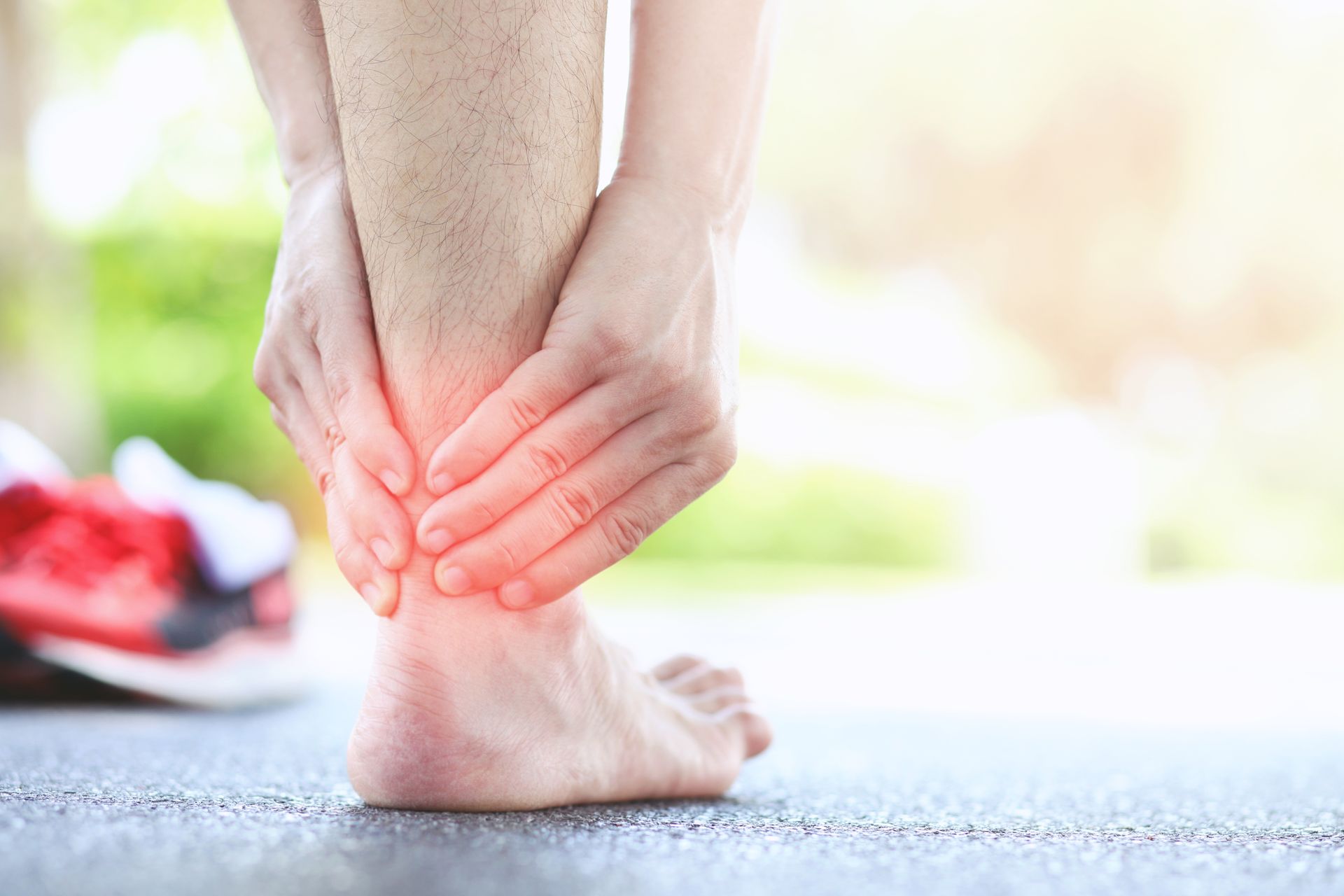
The Achilles tendon connects the calf muscles to the heel and plays a critical role in walking, running, and balance. Because it absorbs substantial force during movement, it is particularly vulnerable to strain, degeneration, and injury.
Changes affecting this tendon may develop gradually or occur suddenly. Discomfort, stiffness, or reduced strength can interfere with daily activity and athletic performance, making early assessment important.
TENDON STRUCTURE & FUNCTION
THE ROLE OF THE ACHILLES
The Achilles tendon connects the calf muscles to the heel and plays a critical role in walking, running, and balance. Because it absorbs substantial force during movement, it is particularly vulnerable to strain, degeneration, and injury.
Changes affecting this tendon may develop gradually or occur suddenly. Discomfort, stiffness, or reduced strength can interfere with daily activity and athletic performance, making early assessment important.
TENDON STRUCTURE & FUNCTION
THE ROLE OF THE ACHILLES
The Achilles tendon connects the calf muscles to the heel and plays a critical role in walking, running, and balance. Because it absorbs substantial force during movement, it is particularly vulnerable to strain, degeneration, and injury.
Changes affecting this tendon may develop gradually or occur suddenly. Discomfort, stiffness, or reduced strength can interfere with daily activity and athletic performance, making early assessment important.
FACTORS CONTRIBUTING TO ACHILLES STRAIN
Achilles conditions often arise from repetitive loading, limited flexibility, or sudden changes in activity level. Inadequate recovery time, footwear choices, or altered movement patterns can increase stress on the tendon over time.
Contributing factors may include:
- Rapid increases in activity or intensity
- Tight calf muscles or limited ankle motion
- Poor shock absorption during movement
- Prior injury or incomplete recovery
Recognizing contributing influences helps guide appropriate support and reduces the risk of progression.
IMPACT ON MOVEMENT AND PERFORMANCE
When the Achilles tendon is compromised, push-off strength, balance, and walking efficiency may be affected. Individuals may notice discomfort during activity, stiffness after rest, or difficulty maintaining consistent motion.
Over time, compensation patterns can place additional strain on nearby joints and soft tissue. Addressing tendon changes early supports smoother movement, improved endurance, and lasting lower-extremity function.
When the Achilles tendon is compromised, push-off strength, balance, and walking efficiency may be affected. Individuals may notice discomfort during activity, stiffness after rest, or difficulty maintaining consistent motion.
Over time, compensation patterns can place additional strain on nearby joints and soft tissue. Addressing tendon changes early supports smoother movement, improved endurance, and lasting lower-extremity function.


STRUCTURED APPROACH TO ACHILLES SUPPORT
TREATMENT PATHWAYS
Recommendations for Achilles-related concerns are based on tendon integrity, symptom behavior, and functional impact. The focus is on reducing stress, supporting tissue recovery, and restoring strength while preserving natural movement.
Planning also considers activity demands, footwear, and how the tendon responds over time. Ongoing monitoring allows adjustments that promote safe progress and long-term resilience.
Conservative Care:
- Activity modification and offloading strategies
- Stretching or strengthening guidance
- Supportive footwear recommendations
- Monitoring symptom response during recovery
Surgical Solutions:
- Structural damage limits function
- Symptoms persist despite conservative measures
- Tendon integrity is significantly compromised
All recommendations are selected thoughtfully to support stability, comfort, and sustained performance.
STRUCTURED APPROACH TO ACHILLES SUPPORT
TREATMENT PATHWAYS
Recommendations for Achilles-related concerns are based on tendon integrity, symptom behavior, and functional impact. The focus is on reducing stress, supporting tissue recovery, and restoring strength while preserving natural movement.
Planning also considers activity demands, footwear, and how the tendon responds over time. Ongoing monitoring allows adjustments that promote safe progress and long-term resilience.
Conservative Care:
- Activity modification and offloading strategies
- Stretching or strengthening guidance
- Supportive footwear recommendations
- Monitoring symptom response during recovery
Surgical Solutions:
- Structural damage limits function
- Symptoms persist despite conservative measures
- Tendon integrity is significantly compromised
All recommendations are selected thoughtfully to support stability, comfort, and sustained performance.
STRUCTURED APPROACH TO ACHILLES SUPPORT
TREATMENT PATHWAYS
Recommendations for Achilles-related concerns are based on tendon integrity, symptom behavior, and functional impact. The focus is on reducing stress, supporting tissue recovery, and restoring strength while preserving natural movement.
Planning also considers activity demands, footwear, and how the tendon responds over time. Ongoing monitoring allows adjustments that promote safe progress and long-term resilience.
Conservative Care:
- Activity modification and offloading strategies
- Stretching or strengthening guidance
- Supportive footwear recommendations
- Monitoring symptom response during recovery
Surgical Solutions:
- Structural damage limits function
- Symptoms persist despite conservative measures
- Tendon integrity is significantly compromised
All recommendations are selected thoughtfully to support stability, comfort, and sustained performance.